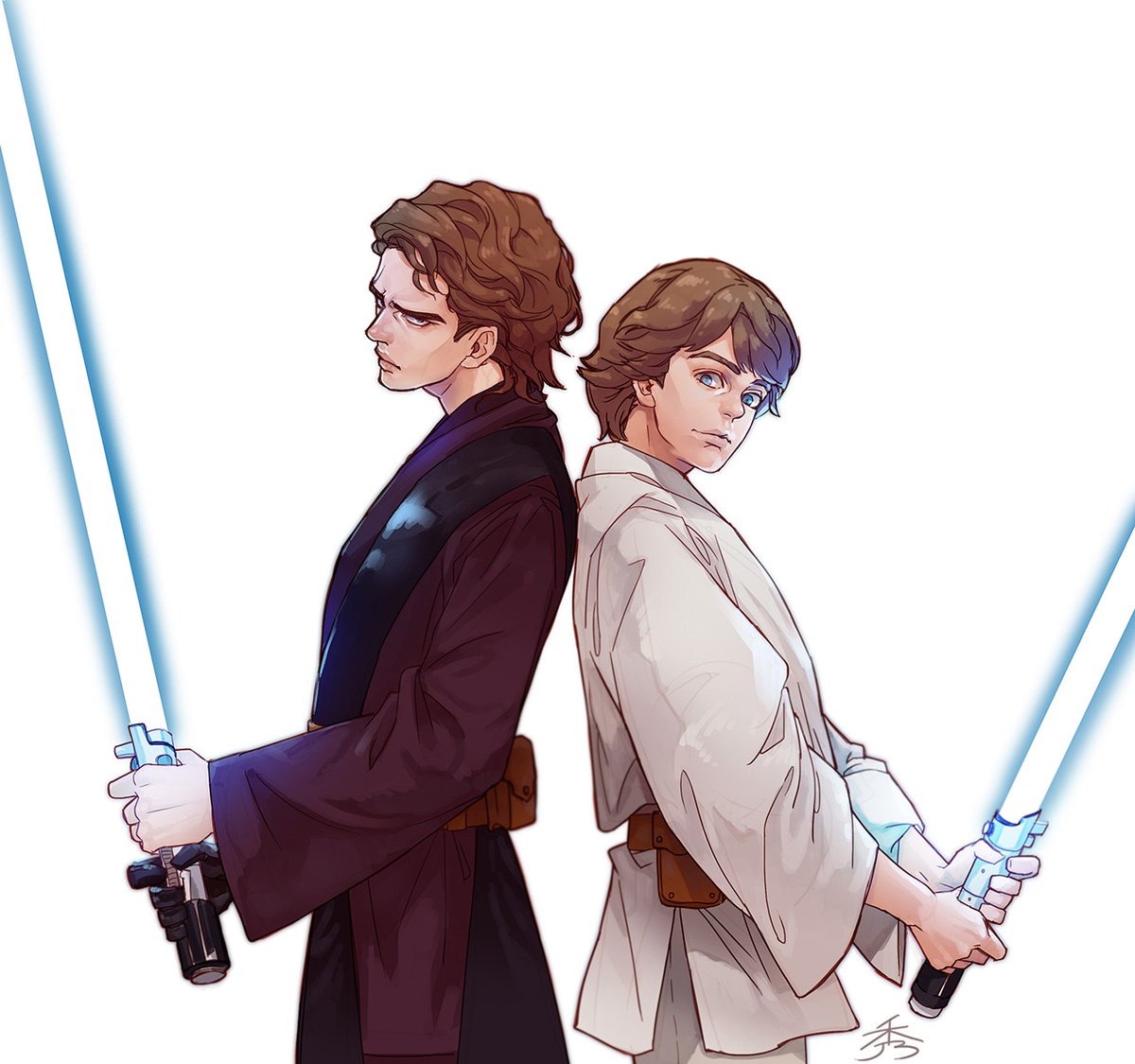
The Star Wars saga is more than just a collection of films and stories; it’s a cultural phenomenon, a shared universe that sparks imagination across generations. For millions, it’s a source of inspiration, leading to a vibrant world of fan films, artwork, cosplay, fan fiction, and countless other creative endeavors. But lurking beneath the surface of this boundless creativity is a complex legal landscape—the Legality & Copyright of Star Wars Fan Content. Navigating this terrain means understanding intellectual property (IP), copyright law, and the often-misunderstood nuances of fair use, all while recognizing the powerful entities that own the galaxy far, far away.
This isn't just about avoiding trouble; it's about empowering you, the creator, to express your passion responsibly and smartly. Let’s cut through the jargon and get to what you need to know to create within the Star Wars universe without crossing into infringing territory.
At a Glance: Your Star Wars Fan Content Checklist
- Star Wars IP is Owned: Lucasfilm, now owned by Disney, holds all rights to characters, stories, names, and visuals.
- Copyright Infringement is Real: Unauthorized use of copyrighted material, even for non-profit projects, can lead to legal action.
- Non-Commerciality is Key: The golden rule for fan content is do not profit. Selling merchandise, charging for films, or monetizing directly are major red flags.
- Fan Films are a Gray Area: Disney often tolerates non-commercial fan films that respect the source material and include clear disclaimers.
- Fair Use is a Defense, Not a Right: It's complex and highly situational, favoring transformative uses like parody or commentary over simple retelling.
- DMCA Takedowns are Common: Online platforms will remove infringing content when notified by Disney.
- Cease and Desist: If you receive one, take it seriously, comply immediately, and seek legal advice.
Navigating the Galactic Lawscape: Understanding IP Basics
Before you pick up your lightsaber (or your camera, pen, or sewing machine), it’s crucial to grasp the fundamental concepts that govern what you can and cannot do with Star Wars elements.
What Exactly is Intellectual Property (IP)?
Think of IP as the blueprints and designs of someone's mind. It's creations that have value and are legally protected. IP isn't just one thing; it's an umbrella term for different types of protections, each serving a specific purpose:
- Patents: Protect inventions (e.g., a new hyperdrive engine).
- Trademarks: Protect brand names, logos, and slogans that identify goods or services (e.g., the "Star Wars" logo, "Jedi," "The Force").
- Trade Secrets: Protect confidential business information (e.g., the formula for a lightsaber crystal, if it existed).
- Copyright: This is the big one for creators. It protects original works of authorship like books, movies, music, art, and software.
The Force of Copyright: Your Creative Foundation
Copyright gives the creator exclusive rights to their original work. This means they alone can:
- Reproduce the work (make copies).
- Distribute copies (sell, rent, lend).
- Perform or Display the work publicly.
- Create derivative works based on the original (e.g., a movie based on a book, a sequel, merchandise).
When you use someone else’s copyrighted material without permission, and you don’t have a valid legal defense (like fair use), you’re engaging in copyright infringement. It’s the unauthorized exercise of these exclusive rights.
Who Owns the Galaxy? Lucasfilm, Disney, and Star Wars IP
For decades, all things Star Wars were meticulously controlled by Lucasfilm Ltd., founded by George Lucas. He built the universe, the characters, the stories, and carefully guarded his creations.
Then came a pivotal shift in 2012. The Walt Disney Company acquired Lucasfilm, gaining full ownership and exclusive control over the entire Star Wars intellectual property. This means Disney, through Lucasfilm, now holds the keys to every character, every planet, every storyline, and every iconic element you associate with Star Wars.
Star Wars Trademarks: More Than Just a Logo
Beyond copyright, Disney also fiercely protects its Star Wars Trademarks. These aren't just the main logo, but also:
- Character Names: Luke Skywalker, Darth Vader, Leia Organa, Grogu, etc.
- Planet Names: Tatooine, Hoth, Endor, Coruscant.
- Iconic Phrases: "May the Force be with you," "I have a bad feeling about this."
- Distinctive Designs: The Millennium Falcon, X-Wings, the look of a Stormtrooper helmet.
Using these trademarks without permission, especially in a way that suggests official endorsement or affiliation, constitutes trademark infringement. This is a critical point for creators making fan merchandise or using official branding elements.
When Admiration Becomes Infringement: Red Flags for Fan Creators
It’s easy to cross the line, often unknowingly, when your passion meets intellectual property. Infringement occurs when you exercise any of Disney's exclusive copyright rights without their explicit permission.
Unauthorized Use: The Core of the Problem
Here are clear examples of actions that typically constitute copyright or trademark infringement:
- Fan Films or Fan Fiction: Using recognizable Star Wars characters, specific storylines, or elements that closely mirror official plots in your own unauthorized productions. While fan films operate in a unique gray area (which we'll explore shortly), a direct retelling or mere recreation without significant transformation is legally risky.
- Commercial Products: Selling anything that features Star Wars characters, logos, or iconic quotes without a license. This is arguably the biggest trigger for legal action. From t-shirts and mugs to keychains and art prints, if it uses Star Wars IP and you’re making money, it's infringement.
- Illegal Distribution: Downloading and sharing Star Wars movies, TV shows, or even comic books without permission. Even non-profit distribution of copyrighted material is infringement.
- Using Iconic Dialogue: Incorporating famous Star Wars quotes into commercial products without proper licensing. The words themselves are protected.
Fan Films: A Wookiee's Embrace or a Sarlacc Pit?
Fan films are perhaps the most fascinating and legally nebulous aspect of Star Wars fan creation. Technically, any fan film that uses protected Star Wars material without permission is infringing copyright. However, Lucasfilm and Disney have historically adopted a remarkably tolerant, "hands-off" approach to these projects—provided specific, albeit informal, guidelines are met. This isn't a formal license; it's an "implied understanding" that allows the fan community to thrive without direct conflict.
The Unofficial Truce: Why Disney Tolerates Fan Films
Disney and Lucasfilm understand the power of fan engagement. Fan films often act as free marketing, keeping the franchise alive in the cultural conversation between official releases. They foster community and loyalty. This goodwill is valuable. However, push too far, and that goodwill evaporates quickly.
The Golden Rules for Staying Under the Radar
To keep your fan film safely within the bounds of this unofficial truce, adhere to these critical guidelines:
- Non-Commerciality is The Golden Rule: Your fan film absolutely must not generate any profit. This means:
- No selling copies of the film.
- No charging admission for screenings.
- No crowdfunding specifically for the film's production that implies ownership or investment for returns.
- No merchandise tie-ins or selling products related to your fan film.
- No pre-roll ads on platforms like YouTube for your fan film itself (though platform ads on your channel in general might be a gray area, direct monetization of the Star Wars content is out).
- Respect the Source Material: Your film should not disparage, harm the franchise's reputation, or contain offensive content. This includes avoiding overly explicit or overly violent themes that deviate significantly from the brand's established tone.
- No Trademark Infringement in Branding: Avoid using official Star Wars logos, fonts, or trademarks in a way that suggests your film is officially endorsed or produced by Lucasfilm/Disney. This is a key distinction. You can use the characters, but don't brand it like an official product.
- Clear Disclaimer: Always, always, always include a prominent disclaimer at the beginning and end of your film. This disclaimer should state clearly that it is a fan-made production, not affiliated with Lucasfilm or The Walt Disney Company, and that all Star Wars intellectual property rights belong to them.
- Reasonable Length: Shorter fan films are generally less likely to draw scrutiny than feature-length productions. There's no hard rule, but brevity is your friend.
- Originality (to a Degree): While you’re using Star Wars elements, try to incorporate original storylines, characters, and unique elements. Avoid simply recreating official scenes or rehashing existing plots without adding your own creative twist.
Specific No-Gos: Music, Merch, and Tricky Donations
Even within the fan film guidelines, some areas are almost always off-limits:
- Music and Sound Effects: You generally cannot use music or sound effects from official Star Wars productions without licensing. These have their own copyrights. Stick to royalty-free music, commission original scores, or find legally available alternatives for sound effects.
- Merchandise: As mentioned, selling any merchandise related to your fan film or using Star Wars IP is a direct violation of copyright and trademark laws.
- Donations: Accepting general donations to support your filmmaking hobby is one thing. Explicitly soliciting donations specifically for the Star Wars fan film, especially if it implies a commercial venture or a share of future profits, is extremely risky. Transparency is crucial, and it’s best to be very clear that any donations are purely to offset non-profit production costs and do not confer any rights or expectation of profit.
Fair Use: The Rebel Alliance's Legal Maneuver (Sometimes)
Fair use is a powerful but often misunderstood legal doctrine in U.S. copyright law. It allows for the limited use of copyrighted material without permission from the copyright holder for purposes such as commentary, criticism, news reporting, teaching, scholarship, or research. Crucially, parody falls under this umbrella.
Fair use isn't a blanket permission slip; it's a defense you can raise if accused of infringement. And it's incredibly complex and fact-specific, determined on a case-by-case basis.
The Four Factor Test: A Jedi's Balancing Act
When a court evaluates a fair use claim, they weigh four factors:
- Purpose and Character of the Use:
- Is your use transformative? Does it add new meaning, message, or aesthetic to the original, rather than merely superseding it? Transformative uses are favored.
- Is it commercial or non-profit/educational? Non-profit uses are generally favored, though commercial uses can still be fair if highly transformative (e.g., parody).
- Nature of the Copyrighted Work:
- Is the original work factual or highly creative/fictional? Using factual works is more likely to be fair use than using highly creative works (like Star Wars).
- Amount and Substantiality of the Portion Used:
- How much of the original work did you use? Using a small portion is favored.
- Did you use the "heart" or "most memorable part" of the work? Even a small amount can be substantial if it’s the core of the original.
- Effect of the Use Upon the Potential Market for or Value of the Copyrighted Work:
- Does your use harm the market for the original work, or act as a substitute for it? If your creation means fewer people will buy the original, it weighs against fair use. This is often the most important factor.
Transformative vs. Derivative: Making Your Art Stand Out
This distinction is vital for fan artists:
- Derivative Art: This simply re-presents the original in a new form without significant new meaning or message. Examples include direct copies, tracing, or merely changing the medium (e.g., painting a movie still). This almost always requires permission.
- Transformative Art: This adds new expression, meaning, or message to the original. It might critique, comment on, or parody the original. Think of pop art using famous figures in new contexts, or a parody song using a well-known tune with new, comedic lyrics. This has a much stronger fair use defense.
When creating Star Wars fan art, consider if your piece is merely an homage or a direct copy (derivative), or if it offers a fresh perspective, critique, or humor (transformative). The latter is far safer. If you want to delve deeper into the intricacies of fair use and its application, you might find more specialized resources helpful delve deeper into the intricacies of fair use.
Parody & Commentary: A Stronger Defense
A fan film or artwork that genuinely creates a parody or commentary on the Star Wars franchise has the strongest fair use defense.
- Parody: Must be transformative, meaning it uses enough of the original to "conjure up" the object of the parody, but its purpose is to comment on or critique the original itself. It's often humorous, but the humor is in the critique.
- Commentary: Involves using snippets of the original to analyze, critique, or discuss the work. Think of a YouTube video reviewing a Star Wars film, showing clips to illustrate points.
A fan film that simply retells a Star Wars story with the same characters and plot is highly unlikely to be considered fair use.
Disney's Shield Generators: How Star Wars IP is Protected
The Walt Disney Company is a titan of intellectual property protection. They don't just own Star Wars; they actively defend it. Their strategy is comprehensive and relentless.
Vigilant Monitoring and Enforcement
Disney employs teams dedicated to actively monitoring online platforms, social media, merchandise markets, and even physical conventions for potential infringement. They use sophisticated tools to detect unauthorized use of their trademarks, characters, and other copyrighted materials.
Cease and Desist: A Gentle Warning (Usually)
Often, the first step in Disney's enforcement is a Cease and Desist (C&D) letter. This is a formal legal document sent to alleged infringers, demanding that they stop the infringing activity. C&D letters are often successful in resolving disputes without costly litigation. They signal that Disney is aware and serious.
The DMCA Strikes Back: Online Takedowns
The Digital Millennium Copyright Act (DMCA) of 1998 is a U.S. law that heavily influences online content. It provides a "safe harbor" for Online Service Providers (OSPs) like YouTube, Etsy, Redbubble, Facebook, and Instagram. This means these platforms aren't held liable for their users' copyright infringement, provided they:
- Don't have actual knowledge of the infringement.
- Don't receive a direct financial benefit from the infringement.
- Implement a notice-and-takedown system.
When Disney discovers infringing Star Wars content online, they can send a DMCA "takedown notice" to the OSP. The OSP is then legally obligated to promptly remove or disable access to the infringing material. This is why fan art, unlicensed merchandise, or even fan films sometimes disappear from these platforms without warning. To understand how platforms handle infringement and what to expect, it's wise to understand how platforms handle infringement.
Beyond C&D letters and DMCA notices, Disney will pursue legal action (lawsuits for monetary damages, injunctions, or even criminal charges) against serious or persistent infringers, especially those profiting significantly from their IP.
Your Kessel Run Guide: Practical Tips for Responsible Fan Creation
So, how can you express your love for Star Wars without feeling like you're constantly looking over your shoulder for a Star Destroyer? Here's practical advice for navigating the legal hyperspace lanes.
Permission: The Safest, Hardest Path
The absolute safest route is to obtain explicit permission or a license from Lucasfilm/Disney. For individual fan creators, this is notoriously difficult to acquire for non-commercial fan projects, and virtually impossible for commercial ones without significant investment. Licensing is typically reserved for major companies and collaborations. Don't count on it unless you're a big player.
Embrace Transformative Creativity
This is your best creative defense. Instead of merely copying or recreating, strive to transform the material.
- Parody: If your work comments on or critiques Star Wars in a humorous way, it strengthens your fair use claim.
- New Contexts: Place characters in entirely new, non-Star Wars situations.
- Stylistic Overhaul: Reimagine characters in a dramatically different art style, adding your unique artistic voice.
Your goal should be to create something new that stands on its own, even if it draws inspiration from Star Wars.
Keep It Non-Profit
Seriously. Commercial exploitation of Star Wars IP without authorization is the biggest red flag. If you are selling something, receiving direct payment for a fan film, or using crowdfunding in a way that implies investment, you are inviting legal scrutiny. Keep your passion projects strictly for passion.
Heed the Unofficial Guidelines
For fan films, continue to follow the implied guidelines we discussed: non-commercial, respectful, clear disclaimer, reasonable length, and a degree of originality. These aren't laws, but they represent the unspoken rules of engagement.
Responding to a Cease-and-Desist
If you receive a C&D letter from Lucasfilm or Disney, take it very seriously.
- Do Not Ignore It: Ignoring it will only escalate the situation.
- Comply Immediately: Promptly remove the content, cease all associated activities, and stop selling any related items.
- Seek Legal Advice: If you have questions about the scope of the letter or believe you have a strong fair use defense, consult an attorney specializing in intellectual property law. However, for most fan creators, immediate compliance is the most pragmatic and safest course of action.
School Projects: A Special Exception
Generally, using Star Wars IP for school projects is acceptable under the fair use doctrine for educational purposes. This is because the "purpose and character" of the use is non-commercial and educational. However, this exception is typically limited to the classroom setting. Do not publicly distribute or try to monetize a school project featuring Star Wars IP once it's completed for the course.
3D Models and Assets: Tread Carefully
Even if you meticulously sculpt a 3D model of an X-Wing or a custom action figure of a popular character yourself, it can still infringe upon Disney's copyright (as a derivative work) and their design trademarks. Selling these models, 3D prints, or the digital files for others to print is a definite no-go without a license. If you are creating these strictly for personal, non-commercial use, the risk is minimal, but commercial use is problematic.
Original Characters in a Shared Universe
Can you copyright your own original Star Wars character you created for fan fiction? Yes, you can copyright the specific design, backstory, and unique elements of your original character. However, the scope of that copyright is inherently limited by Lucasfilm's ownership of the underlying Star Wars universe. You can't prevent Disney from creating a similar character, nor can you monetize your character if it relies heavily on Star Wars lore, themes, or existing characters for its context.
If your character is truly original and distinct enough to stand on its own outside the Star Wars universe, then your copyright protection might be stronger. For more insights into how to approach such creations, you might discover best practices for creating original characters while acknowledging the existing IP. For anything involving professional publication or commercial intent, professional legal counsel is always recommended.
Final Thoughts: May the Force (of Law) Be With You
The Star Wars universe is a wellspring of creativity, and the passion of its fans is one of its greatest strengths. While the legal waters can seem daunting, understanding the core principles of copyright, trademark, and fair use—and critically, respecting Disney’s ownership—allows you to participate responsibly.
Keep your creations rooted in passion, not profit. Aim for transformation, not mere reproduction. And always, always include that disclaimer. By doing so, you can enjoy your creative journey within a galaxy far, far away, ensuring that your endeavors contribute positively to the rich tapestry of Star Wars fandom. And who knows, maybe one day, your incredible fan film will lead you to create something even more amazing—perhaps even inspiring your own opening crawl. You can even Generate your Star Wars intro to get started!
Remember, the goal isn't to stifle creativity, but to foster it within respectful boundaries. Go forth and create, but always with wisdom and understanding of the Force (of law).